
A Day at the Duomo: Which View is Best, Campanile or Cupola?
This weekend, I set out to answer a question as old as the Duomo itself.
Which view is better…the view of Florence from Giotto’s campanile (bell tower), or the view atop Brunelleschi’s dome?
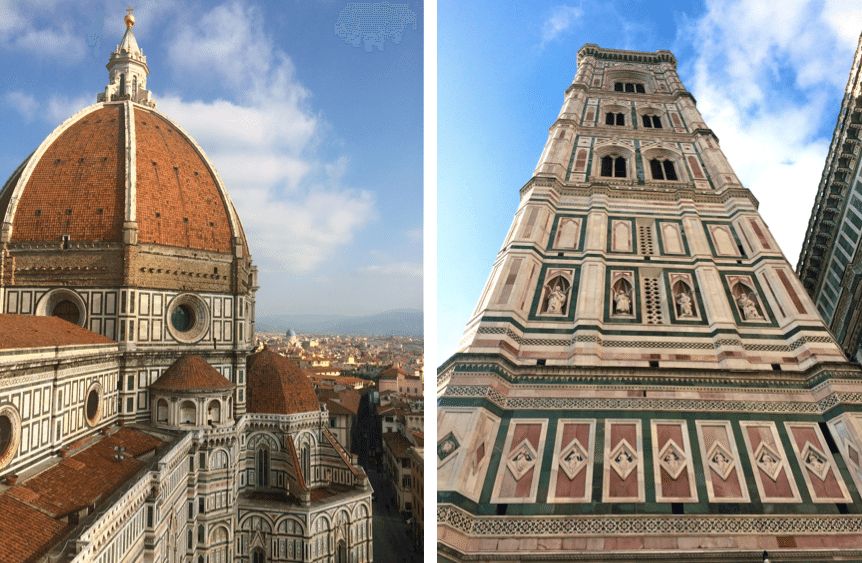
The eternal question: Brunelleschi’s Duomo, or Giotto’s Bell tower?
Climbing to the top of the Duomo should be on everyone’s list of Florence must-dos. The Cattedrale di Santa Maria del Fiore’s incredible white, green, and red marble facade, its massive octagonal dome towering above the city, and sheer size—it’s the 3rd largest church in Europe—are breathtaking. It is no wonder that the Duomo has become a symbol of Florence, and a major tourist destination for over an estimated 4.5 million people per year.
Though the lines may be quite long during high season (summer), the wait to explore one of Europe’s most famous monuments is more than worth it.

Entrance to the church itself is free, however, a 15 Euro all-inclusive ticket will get you access to:
- Brunelleschi’s Dome
- Giotto’s Bell Tower
- The Baptistery of San Giovanni Battista
- The Crypt of Santa Reparata in Florence Cathedral
- The newly reopened Museo dell’Opera del Duomo
The ticket allows you 24 hours from the moment of purchase to see all of the places included. You can do them in whichever order you’d like, but I recommend trying to see the views from either the Dome or the Bell Tower at different times to get the most out of your experience.
Giotto’s Campanile
I started my day by purchasing my all-inclusive ticket at the base of Giotto’s campanile, and immediately proceeded to climb the 414 steps to the panoramic view at the top.
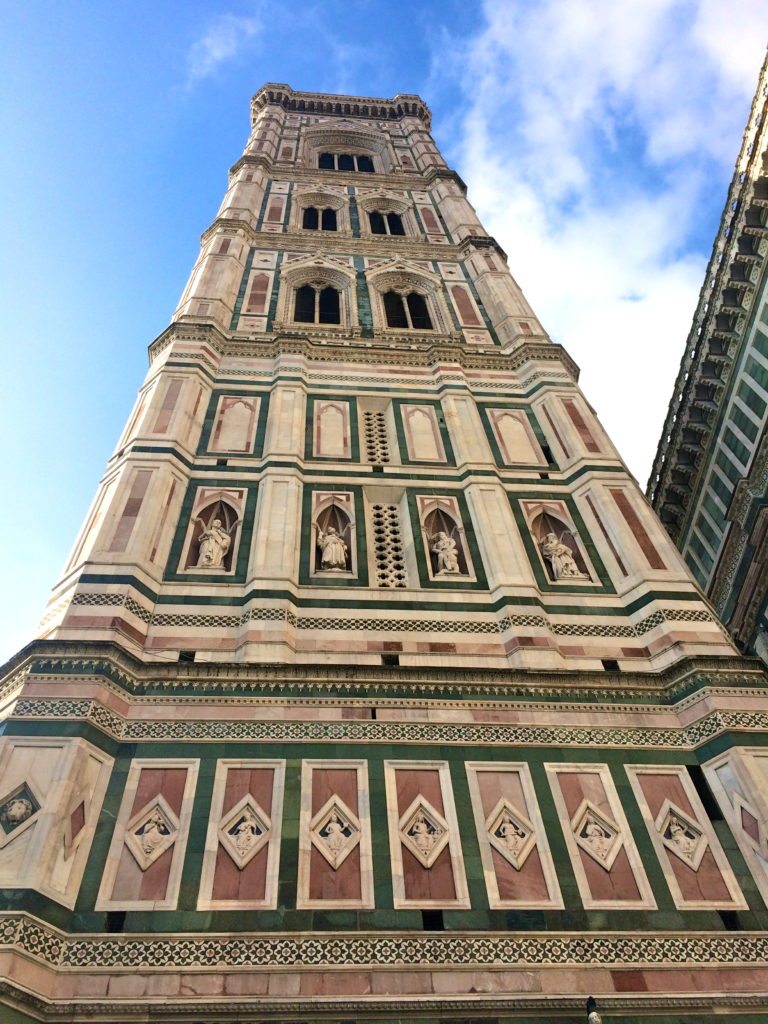
While 414 steps does not sound like a lot, let me assure you, you will be doing some huffing and puffing. Take your time on each of the different landings between staircases to enjoy the views.
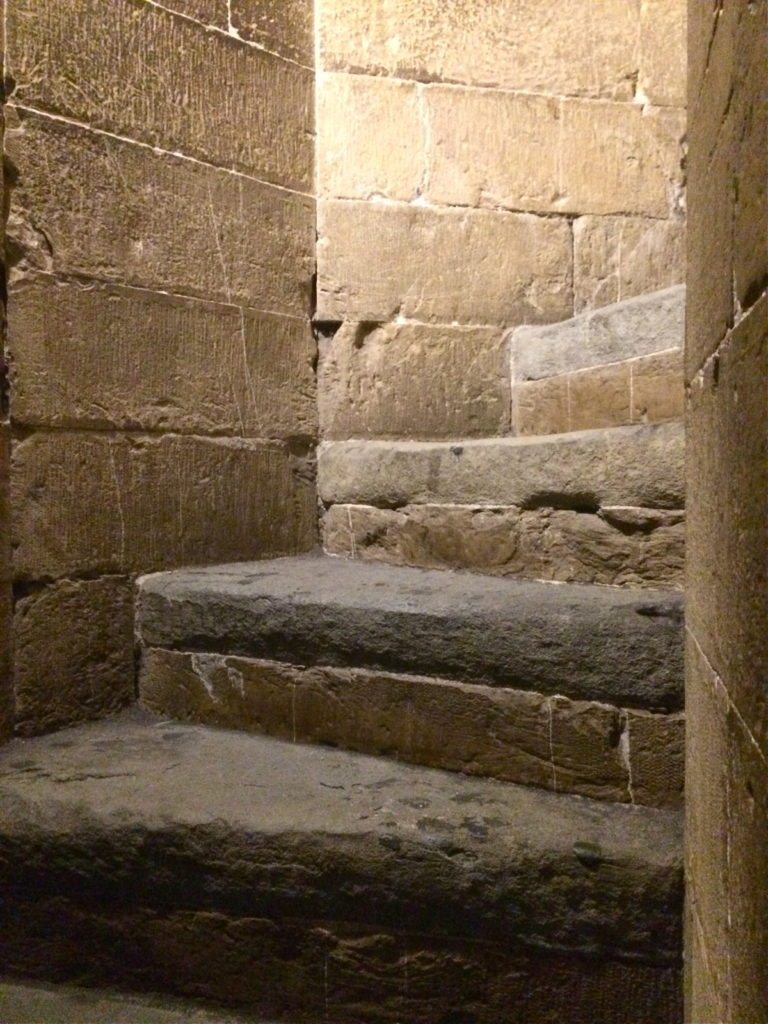
414 of these to the top!
Once I (finally) arrived at the top, the view was absolutely breathtaking. While I wasn’t thrilled about the wire cage surrounding the top of the campanile (and inhibiting my photo taking), it was incredible to be able to see my favorite city from its center, and offered an amazing vantage point from which to view the Duomo.

The campanile offers an unparalleled view of the Duomo.
After admiring the views, snapping a bunch of pictures, and taking a needed rest to get my breath back, I descended the 414 steps and headed inside the Cattedrale di Santa Maria del Fiore to admire the church and head down to the crypt of Santa Reparata.
Crypt of Santa Reparata
The crypt of Santa Reparata (excavated from 1965-1973) lies directly beneath the Cathedral, and reveals Florence’s early Christian history through its remnants of the old basilica.
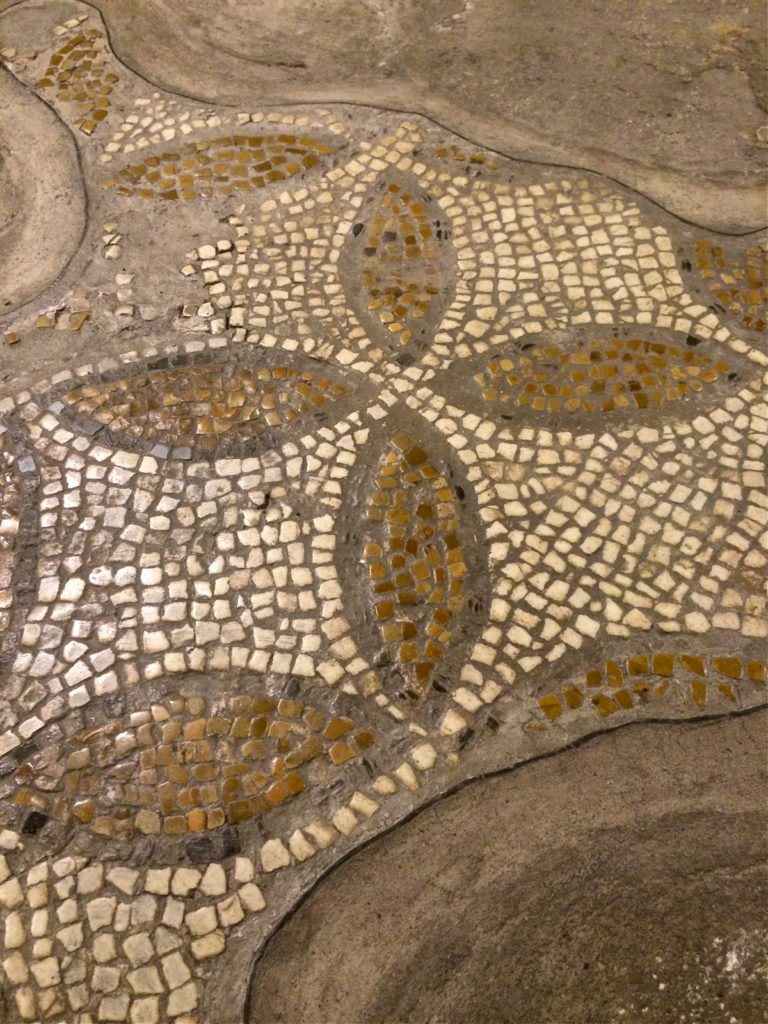
Just below the Duomo rests the foundation of the old basilica. Here are sections of the original mosaic floor.
I particularly enjoyed the crypt, as it illustrated a part of Florence’s history other than the Italian Renaissance details so prevalent in Firenze. The museum carefully outlines the various artifacts and contributions to the basilica from the Roman, Early Christian, Middle Age, and Romanesque eras. What was most astonishing to me was all of this history, lying beneath a Cathedral completed in 1496.
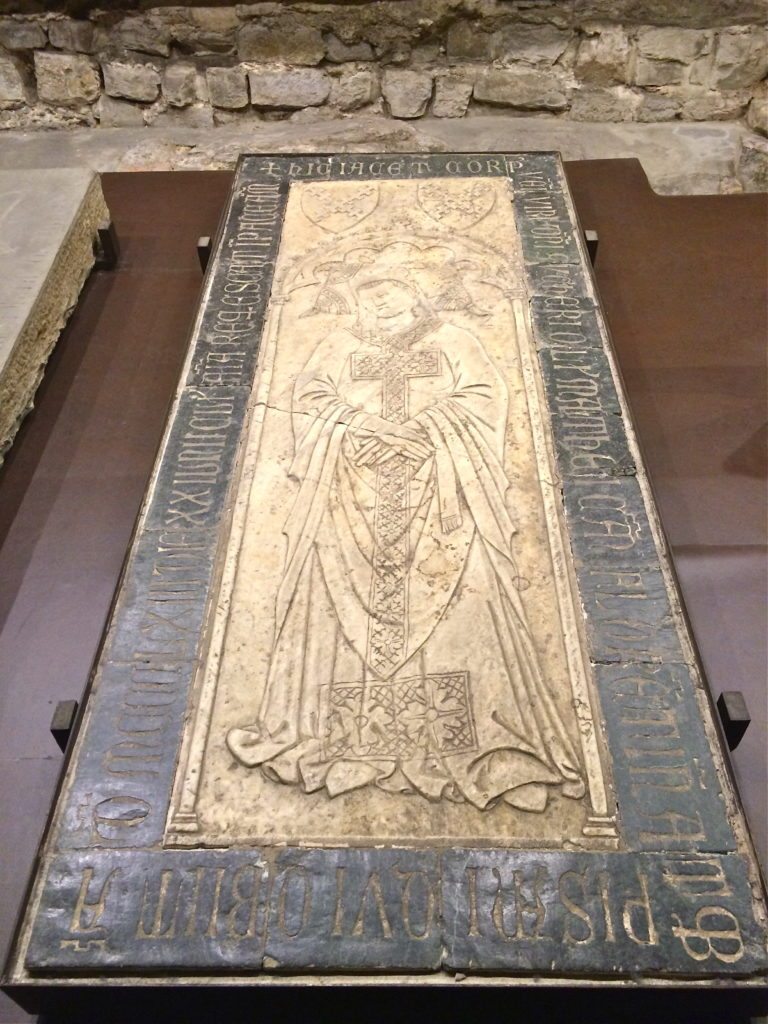
After exiting the crypt, I surfaced back up to modern Florence.
Museo dell’Opera del Duomo
Next on my agenda was the newly reopened Museo dell’Opera del Duomo. I was quite excited to visit, as this museum was not open last year when I studied abroad.
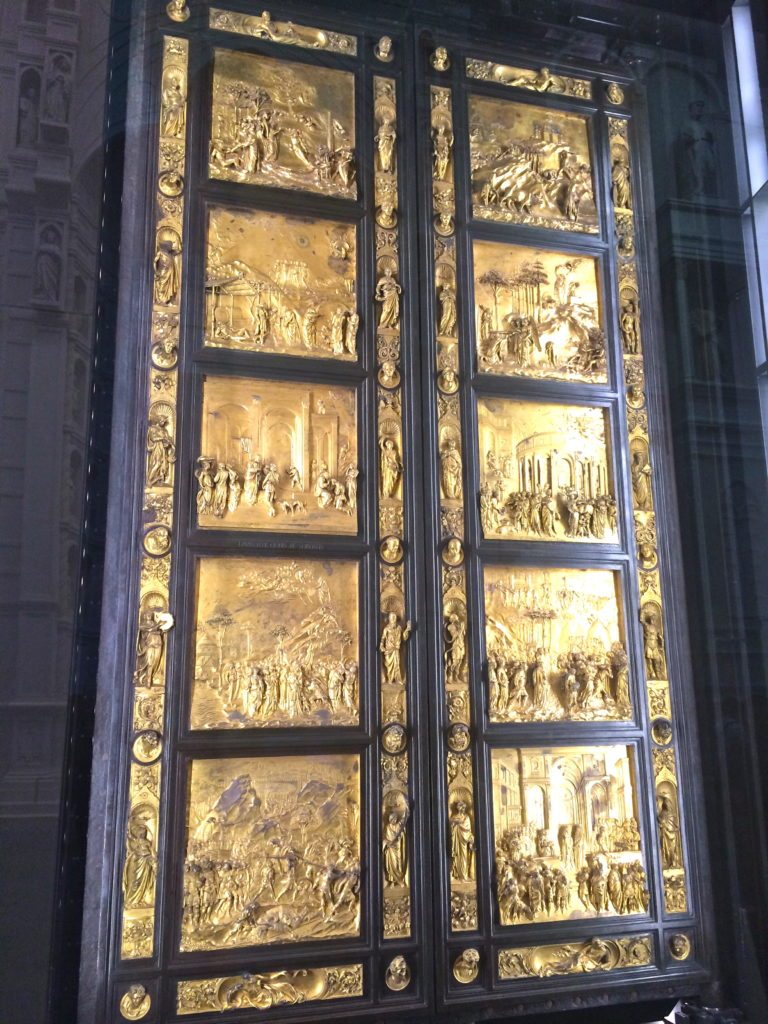
The museum houses the original Gates of Paradise, while a decorative one remains on display by the baptistry.
Encompassing 25 rooms and 3 floors, the museum’s exhibits described the various designs, facades, and models that were the original (and often changed) plans for the Cathedral.
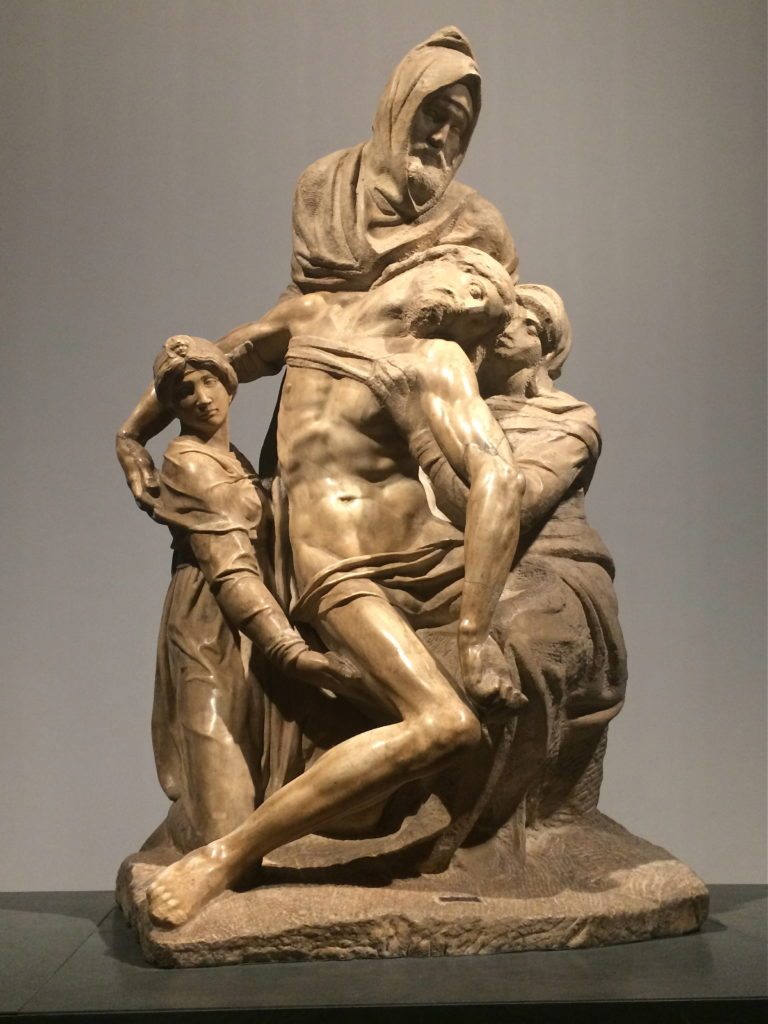
Michelangelo’s Florence Pietà is special, as it is one of his last works, and is said to contain a self portrait of the artist. Michelangelo originally destroyed the work due to flaws in the marble, but it was later pieced pack together to reveal the masterpiece it is today.
The museum is home to many statues that were meant to appear on the facade of the Duomo, Michelangelo’s Florence Pietà, the newly restored Gates of Paradise, and an incredible collection of relics and religious artifacts.
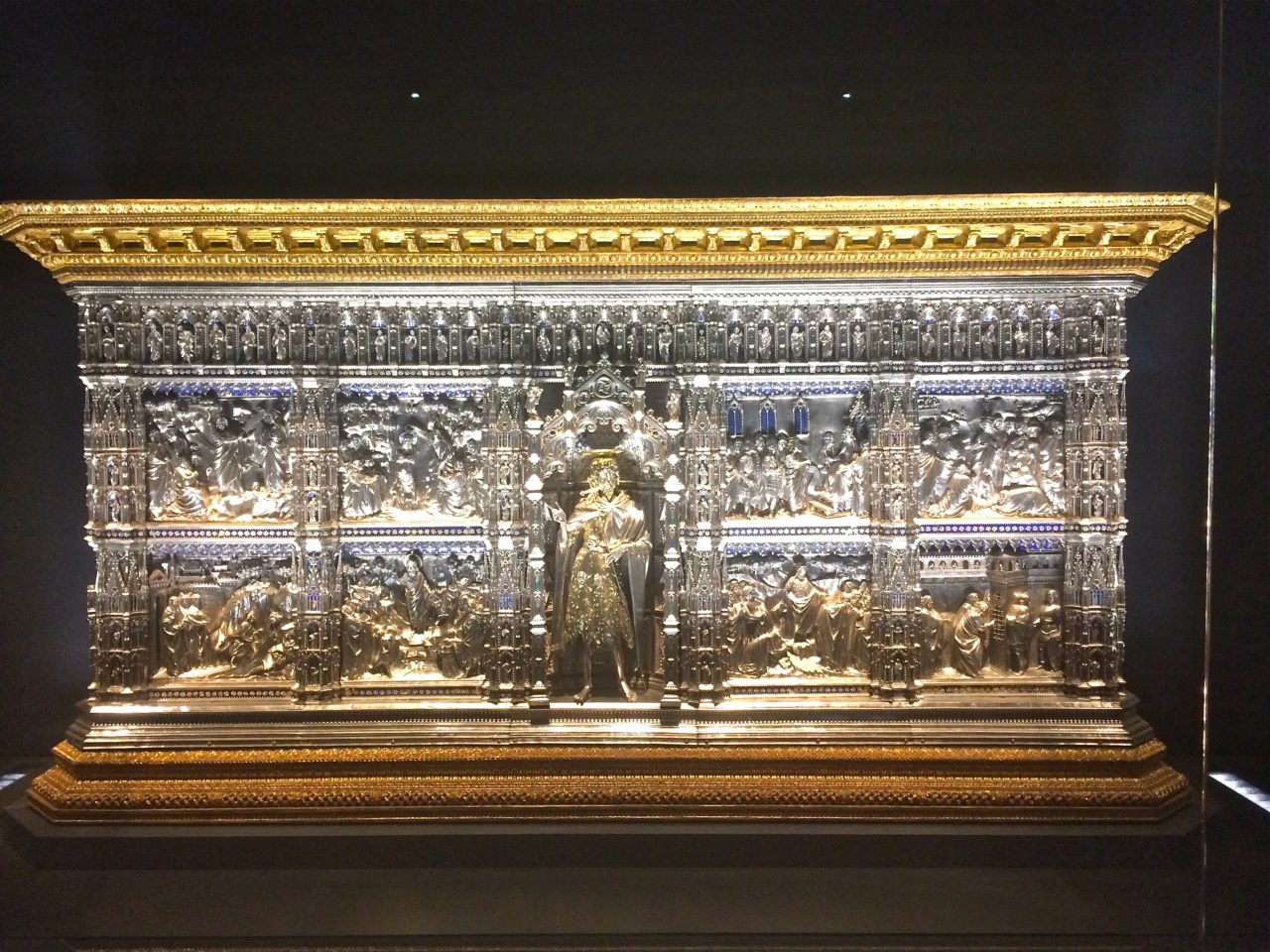
An unexpected surprise was the incredible collection of religious artifacts-like this massive silver altar that was made over a period of 100 years.
As an art historian, I really appreciated how the millions of tourists who flock to Florence each year will now have a beautiful facility in which to learn about the Duomo’s fascinating history.
The Baptistery of San Giovanni Battista
The next destination of the day was the Baptistry of San Giovanni Battista. The baptistry was recently restored, and I was able to see the entire facade for the first time just a few weeks ago!
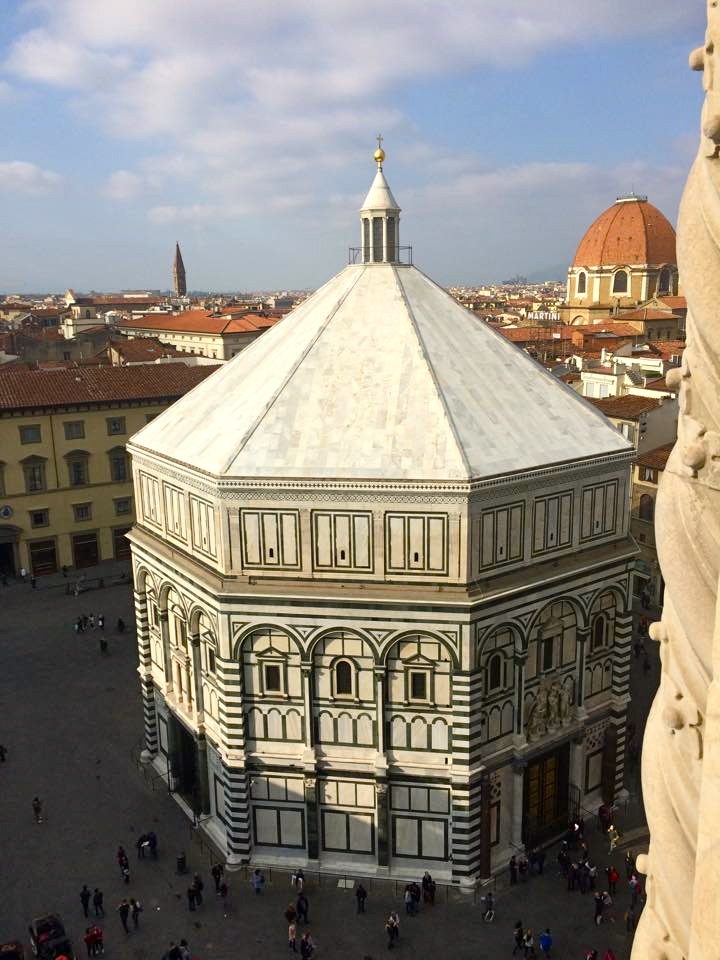
The white marble of the newly renovated baptistry is now gleaming white!
The octagonal structure is one of the oldest churches in Florence, and its exquisite interior mosaics are a wonder to behold. Caution: after a day exploring the Duomo, you may have neck pain from staring up at all the gorgeous details.
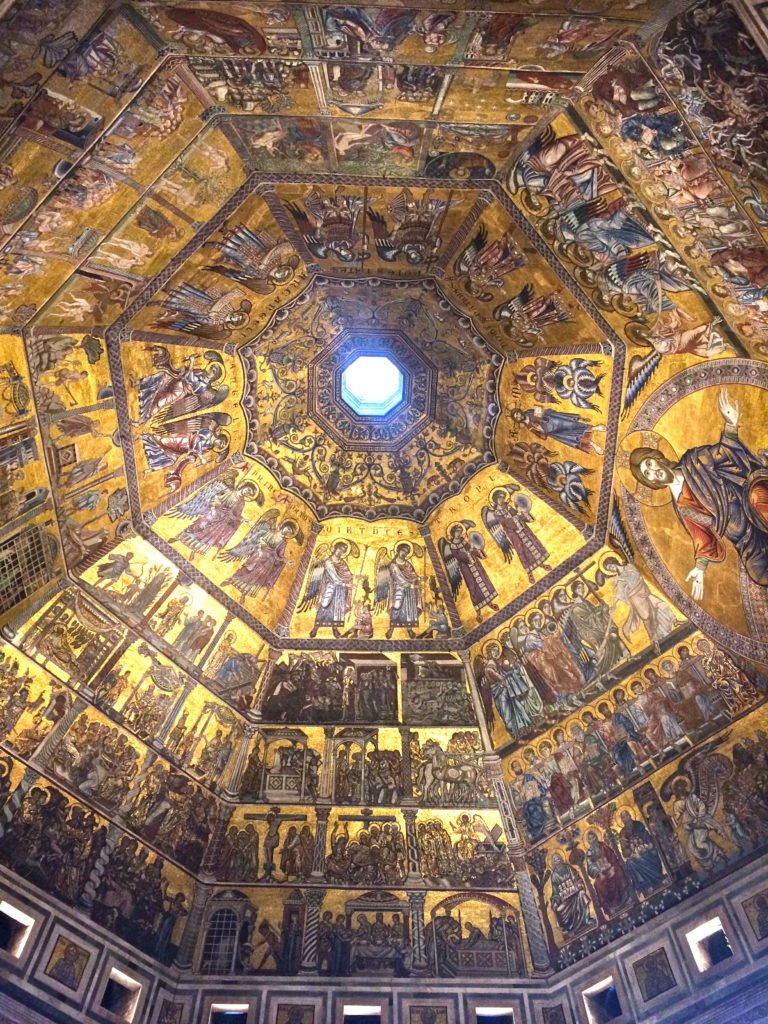
The richly decorated mosaic dome of the baptistry was meant to evoke paradise, and it most certainly does.
Brunelleschi’s Dome
My final stop of the day was Brunelleschi’s iconic Duomo, and I was glad I saved the best for last. After climbing several more sets of stairs (I am embarrassed to say that I woke up with sore calves…looks like I need to work out more) I arrived at the base of the dome, the perfect place for viewing Giorgio Vasari’s frescos which decorate the interior of the dome. The colorful depictions of the Last Judgement scenes are actually quite disturbing, and it was amazing being able to view them from as close as one could possibly be.
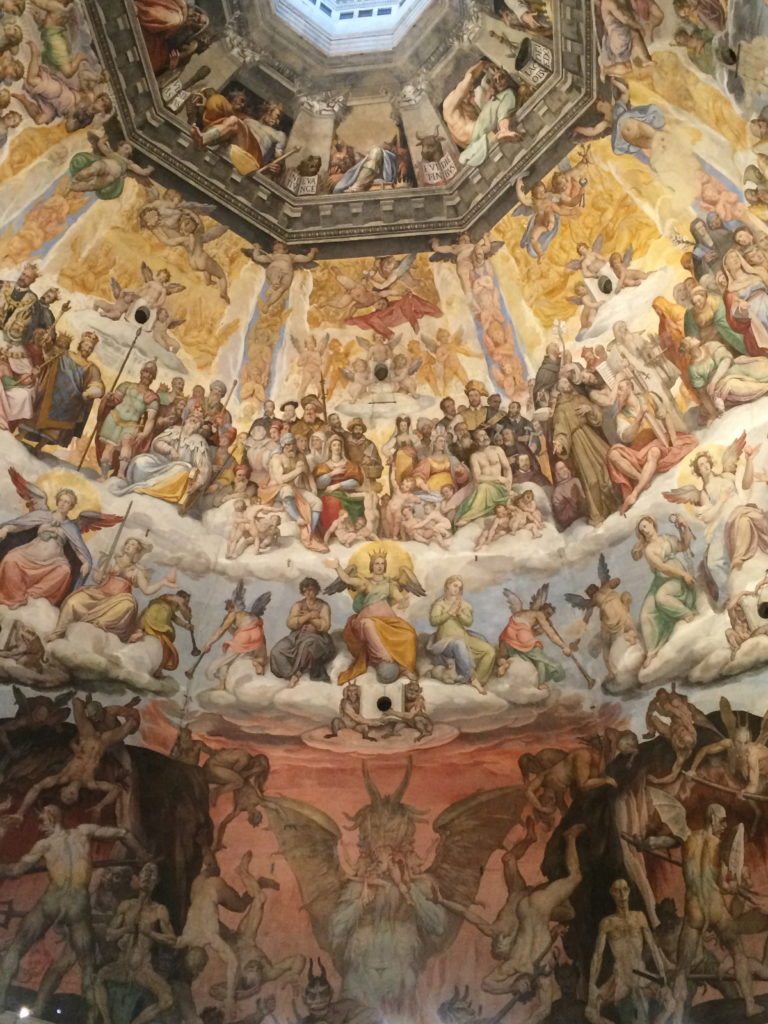
The trompe-l’œil (trick of the eye) effects of the intricate frescoes make the judgement scenes come to life.
Though I am not afraid of heights, I was a little terrified by how far away we were from the floor of the cathedral, and cannot imagine being the person who actually sat up so high and made the frescoes. Yikes!
After walking up…you guessed it…more stairs, I finally emerged into the afternoon sunlight, to what was an incredible panorama of Florence.
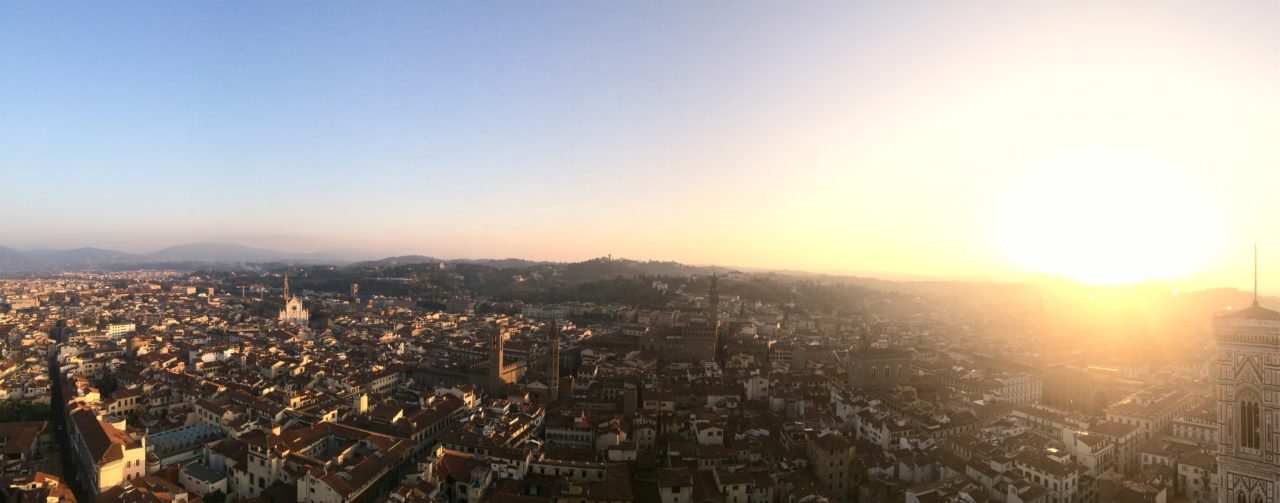
I pointed out the various famous churches, the train station, and my apartment to my traveling companion, all from this bird’s eye view.
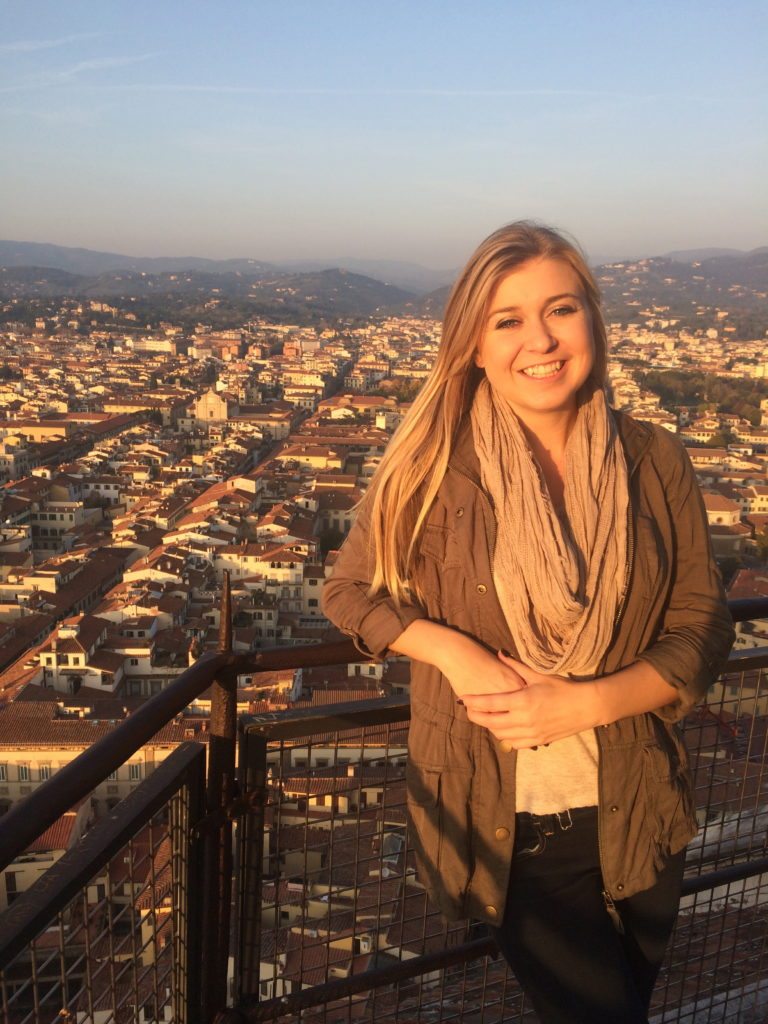
The afternoon lighting set off the yellow buildings and red roofs of Florence perfectly.
We perfectly timed our visit with sunset, and thoroughly enjoyed the chance to see its beautiful pink, orange, and purple hues befall Florence. The experience was simply magical.
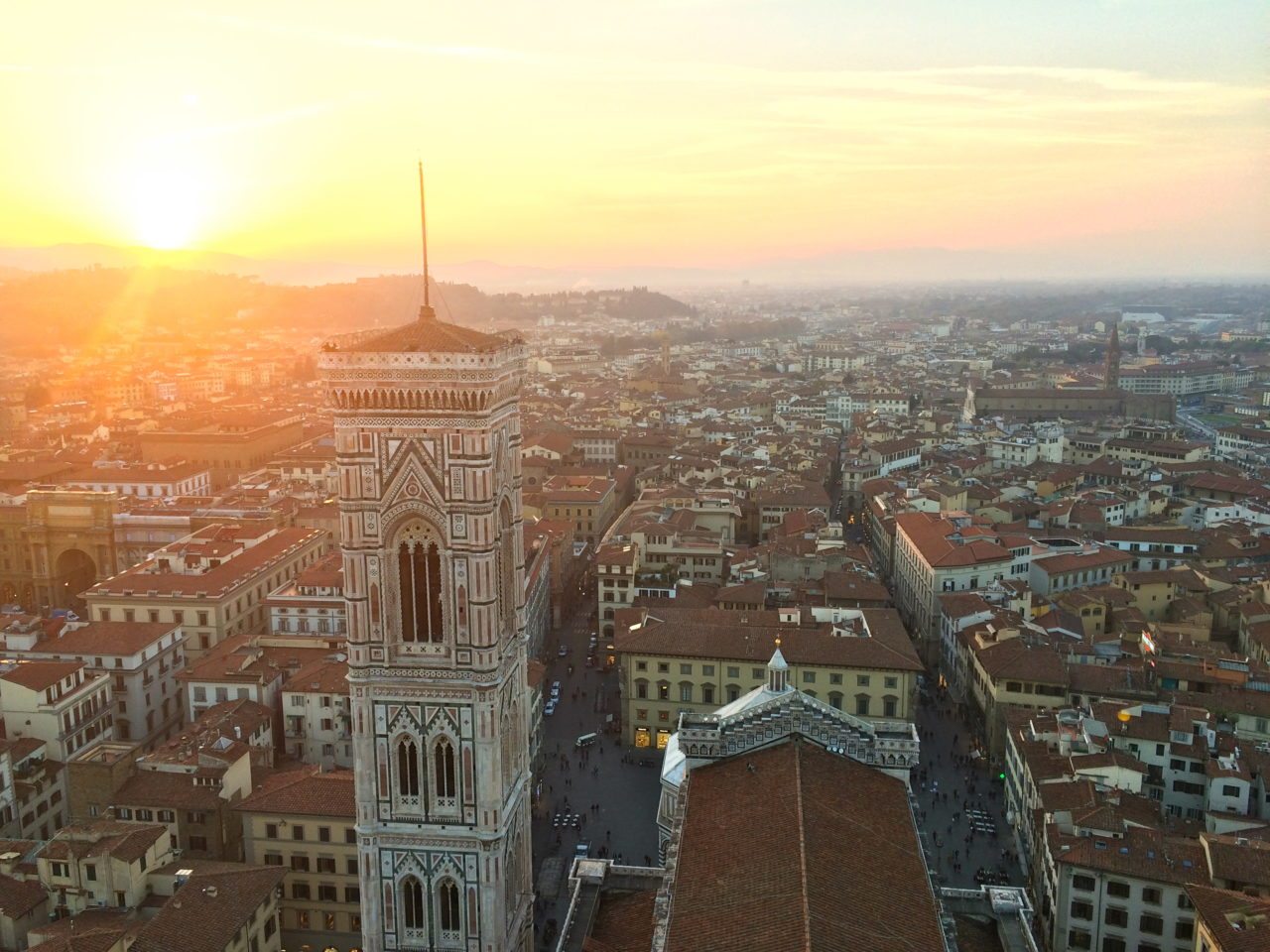
After much contemplation, I have decided that my favorite view was from Brunelleschi’s cupola, however, the view of the Duomo from Giotto’s campanile is unparalleled.
Which famous Florence viewpoint is your favorite? Do you prefer the view of the Duomo itself from the campanile, or an uninhibited panorama of the city, sans-wire, but without the city’s legendary dome?


